Heat pump hot water systems are quickly becoming one of the most energy-efficient and environmentally friendly ways to heat water in Melbourne homes. Whether you’re upgrading an outdated electric system or replacing a failing gas unit, a professionally installed heat pump can significantly reduce your energy bills and carbon footprint.
But like any major appliance, performance doesn’t depend on the product alone — how well it’s installed plays a huge role. Proper heat pump installation ensures maximum efficiency, quieter operation, reliable hot water supply, and a longer system lifespan.
This guide covers 7 smart installation tips to help your Heat Pump Hot Water System run better — especially for homeowners in Melbourne and surrounding suburbs.
1. Choose the Right Heat Pump System for Your Home
Not all heat pump systems work the same. Selecting the best unit for your household is the first step toward long-term performance.
Consider the following when choosing a system:
-
Household size – Larger families require bigger storage tanks.
-
Hot water usage pattern – Multiple consecutive showers? Peak evening usage?
-
Climate suitability – Melbourne’s colder winters make high-quality compressors important.
-
Budget vs long-term savings – Higher-priced models often deliver better efficiency.
-
Noise level ratings – Important for suburban homes with neighbours close by.
Why this matters:
A properly sized and compatible system avoids issues like:
-
Running out of hot water
-
Slow recovery times
-
Higher operating costs
-
Increased wear and tear
2. Install the Heat Pump in the Best Possible Location
Location impacts airflow, noise, efficiency, and maintenance accessibility.
Ideal installation placement includes:
-
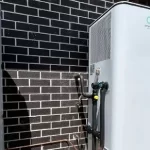
A well-ventilated outdoor area
-
At least 1m clearance around the unit
-
A flat, stable concrete base
-
Away from bedroom windows or neighbouring homes
-
Close to existing plumbing and electrical connections
-
Not directly exposed to heavy rainfall if possible
Why placement is crucial
Heat pump systems extract heat from surrounding air. Poor airflow reduces efficiency and forces the system to work harder.
Proper placement ensures:
-
Smoother, quieter operation
-
Lower running costs
-
Faster heating times
-
Longer compressor lifespan
3. Ensure Proper Electrical and Plumbing Compliance
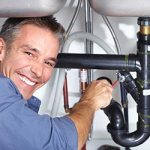
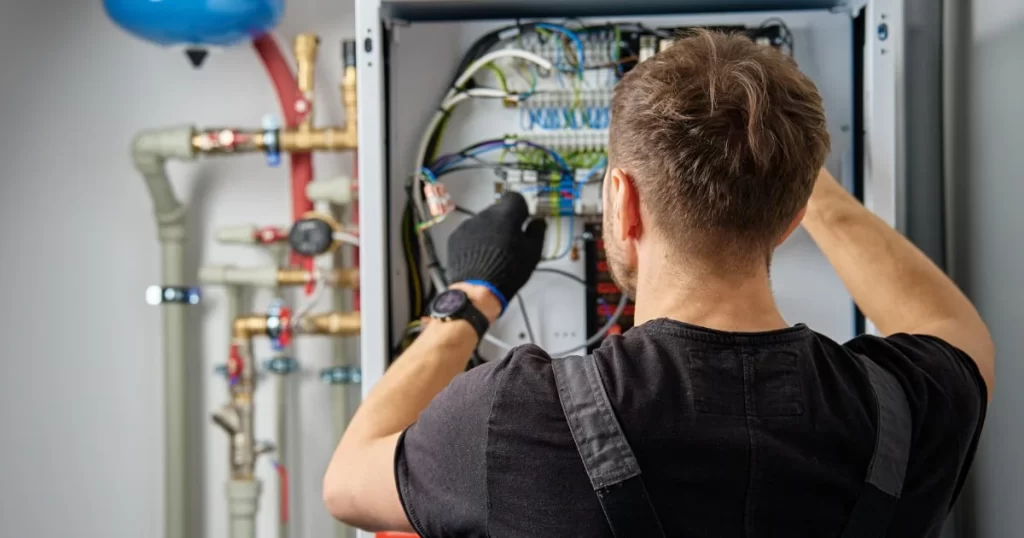
Heat pumps use both electrical components and water connections. For safety and warranty purposes, only licensed professionals should perform the installation.
Important compliance checks include:
-
Dedicated electrical circuit for the heat pump
-
Correct cable sizing and isolator switch
-
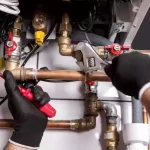
Proper installation of temperature and pressure relief valves
-
Correct hot and cold water connections
-
Compliant tempering valve installation
-
Adequate drainage for condensate and safety valves
Why professional installation matters
DIY or poorly trained installers may:
-
Void the manufacturer warranty
-
Fail inspection requirements
-
Cause electrical hazards
-
Reduce system lifespan
-
Increase running costs
Hiring qualified experts ensures your system meets current Australian plumbing and electrical standards.
4. Make Sure the System Has Proper Insulation
Insulating pipes and fittings is one of the simplest ways to improve system efficiency — especially in colder regions like Melbourne.
Insulate the following:
-
Hot water pipes
-
External pipes exposed to cold air
-
Valves and joints
-
Storage tank fittings
-
Inlet/outlet pipes
Benefits of proper insulation
-
Reduces heat loss
-
Improves heating performance
-
Lowers energy usage
-
Protects pipes from temperature fluctuations
-
Reduces system strain during winter
Even premium heat pumps benefit from high-quality insulation.
5. Allow for Easy Maintenance and Servicing
Hot water installation may require periodic servicing to maintain performance. When installing the unit, ensure technicians have enough space to inspect and access all components.
Leave space for:
-
Checking refrigerant lines
-
Cleaning filters or coils
-
Replacing sacrificial anodes (for tanks that use them)
-
Accessing drainage and valves
-
Servicing the compressor
Why this improves performance
Good access helps technicians keep the system in peak condition and identify minor issues before they become costly problems.
6. Optimise the System Settings After Installation
Your heat pump should be calibrated properly for your home’s usage patterns.
Key settings to optimise:
-
Temperature settings (usually between 50–60°C)
-
Timer controls – Heating water during off-peak hours saves money
-
Noise reduction mode – Useful at night
-
Boost mode – For heavy usage periods
Benefits of fine-tuning settings
-
Lower energy bills
-
Better hot water availability
-
Less strain on the compressor
-
Improved long-term performance
7. Schedule Regular Maintenance to Maximise Lifespan
Heat pumps require less maintenance than gas or solar systems, but they still need occasional servicing.
Maintenance tasks include:
-
Cleaning air filters
-
Checking pipes and valves
-
Inspecting insulation
-
Testing electrical components
-
Checking refrigerant levels
-
Flushing tank if necessary
Recommended maintenance frequency
-
General check: every 12–18 months
-
Comprehensive service: every 2–3 years
Regular upkeep keeps your Hot Water System operating efficiently and ensures a long lifespan.
Frequently Asked Questions
1. How long does a heat pump hot water installation take?
Typically, installation takes 2–4 hours, depending on whether it’s a replacement or a new setup requiring more plumbing and electrical work.
2. Is a heat pump suitable for Melbourne’s climate?
Yes. Modern heat pumps are designed to perform efficiently even in colder environments, making them ideal for Melbourne’s winter conditions.
3. How much does Heat Pump Installation cost in Melbourne?
Costs vary based on brand, capacity, and installation complexity. Homeowners can expect the final investment to depend on the specific system selected and the scope of installation work required.
4. Do heat pump systems work at night?
Yes. Heat pumps can operate both day and night. Many systems include timers to heat water during cheaper off-peak electricity hours.
5. Are heat pumps noisy?
Modern systems operate at low noise levels — typically similar to a refrigerator or outdoor air-conditioning unit. Proper placement reduces noise even further.
6. How long does a heat pump hot water system last?
Most systems last 10–15 years, depending on brand quality, usage, and maintenance.
7. Do heat pumps qualify for government rebates?
Yes, many heat pump systems are eligible for rebates under various energy-efficiency programs (state-specific). Check local guidelines for eligibility.
8. How often should a heat pump be serviced?
A general inspection every 12–18 months is recommended, with a full service every 2–3 years for optimal performance.
Conclusion
A high-quality Heat Pump Hot Water System can dramatically improve your household’s comfort, efficiency, and energy savings — but only when installed the right way. By selecting the correct system, ensuring proper placement, maintaining compliance, insulating pipes, and scheduling regular maintenance, your heat pump will run better, last longer, and provide reliable hot water year-round.